Begin with the shift you want to create
A transformational retreat is not defined by how many activities fit into the schedule. It begins with a clear understanding of who is coming, what they are carrying into the experience and what you hope will feel different when they leave. Before choosing excursions, practitioners or even the length of the stay, write one simple sentence that describes the intended shift. It might be moving from exhaustion to renewed energy, from isolation to connection, or from constant thinking to a more grounded relationship with the body.
That intention becomes a filter for every later decision. If an activity is impressive but does not support the central purpose, it may not belong in the programme. If extra free time helps guests integrate what has happened, it is not empty space; it is part of the design. A clear intention also helps you describe the retreat honestly, attract the right participants and brief your venue team with much greater precision.
Sri Lanka naturally supports this kind of work. The warmth, tropical landscape, coastal rhythm and strong sense of place make everyday routines feel far away. The setting creates openness, but the facilitator still needs to give that openness a thoughtful direction. Transformation cannot be promised, yet the conditions for reflection, connection and meaningful change can be carefully prepared.
Choose a setting that supports the programme
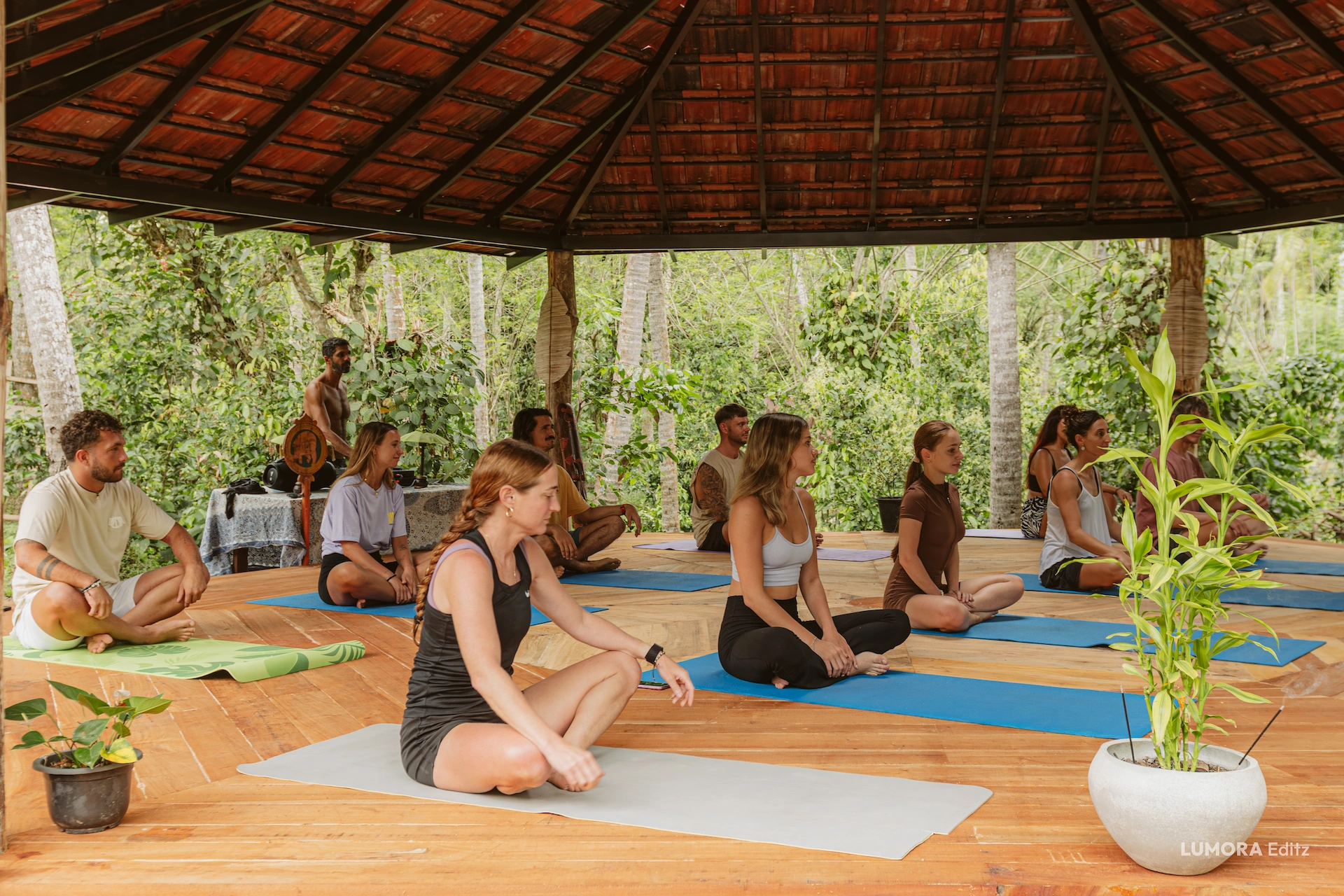
A retreat venue is an active part of the experience. Guests should be able to move easily between practice, meals, rest and conversation without spending the day in vehicles or searching for somewhere quiet. Look beyond attractive photographs and consider how the place functions when a real group is living together. Is there a dedicated practice area? Can guests find privacy? Are shared spaces comfortable enough for unplanned conversations? Does the accommodation feel intimate without becoming crowded?
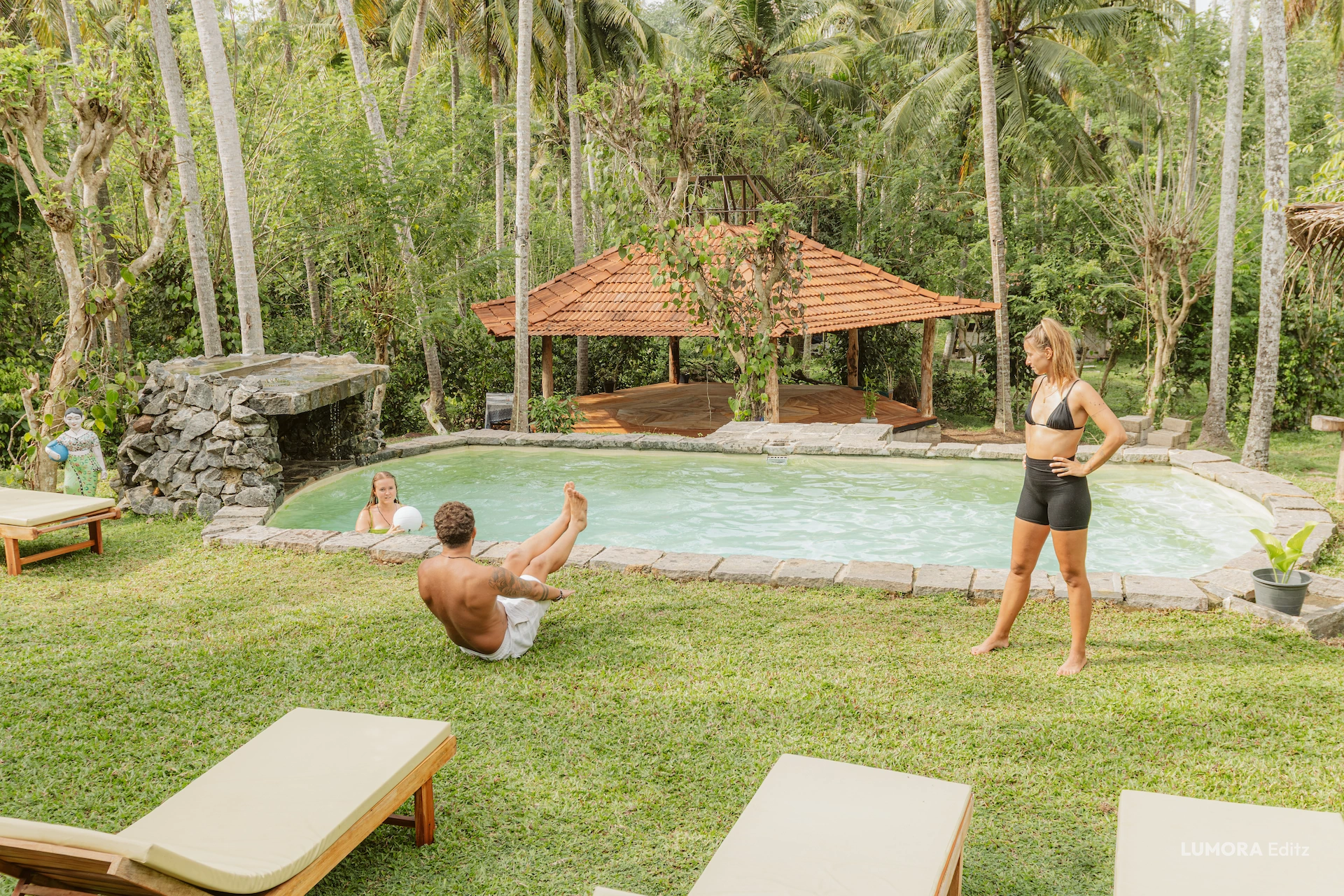
At Zenki House, the open-air yoga shala, natural pool, tropical garden, shared dining areas and guest rooms sit within one private setting. That closeness helps the group settle into a collective rhythm. Ahangama’s beaches, surf and south-coast experiences remain nearby, but the retreat does not depend on leaving the house every day. The result is a useful balance: a protected home base with the option of a change of scenery when it serves the programme.
Ask the venue how it handles exclusive use, maximum capacity, room allocation, facilitator privacy, weather changes and quiet hours. These practical details shape how safe, spacious and supported the retreat feels. A beautiful property can still create friction if the group must share key areas with unrelated guests or if the practice space is regularly interrupted.
Create a rhythm, not an overloaded timetable
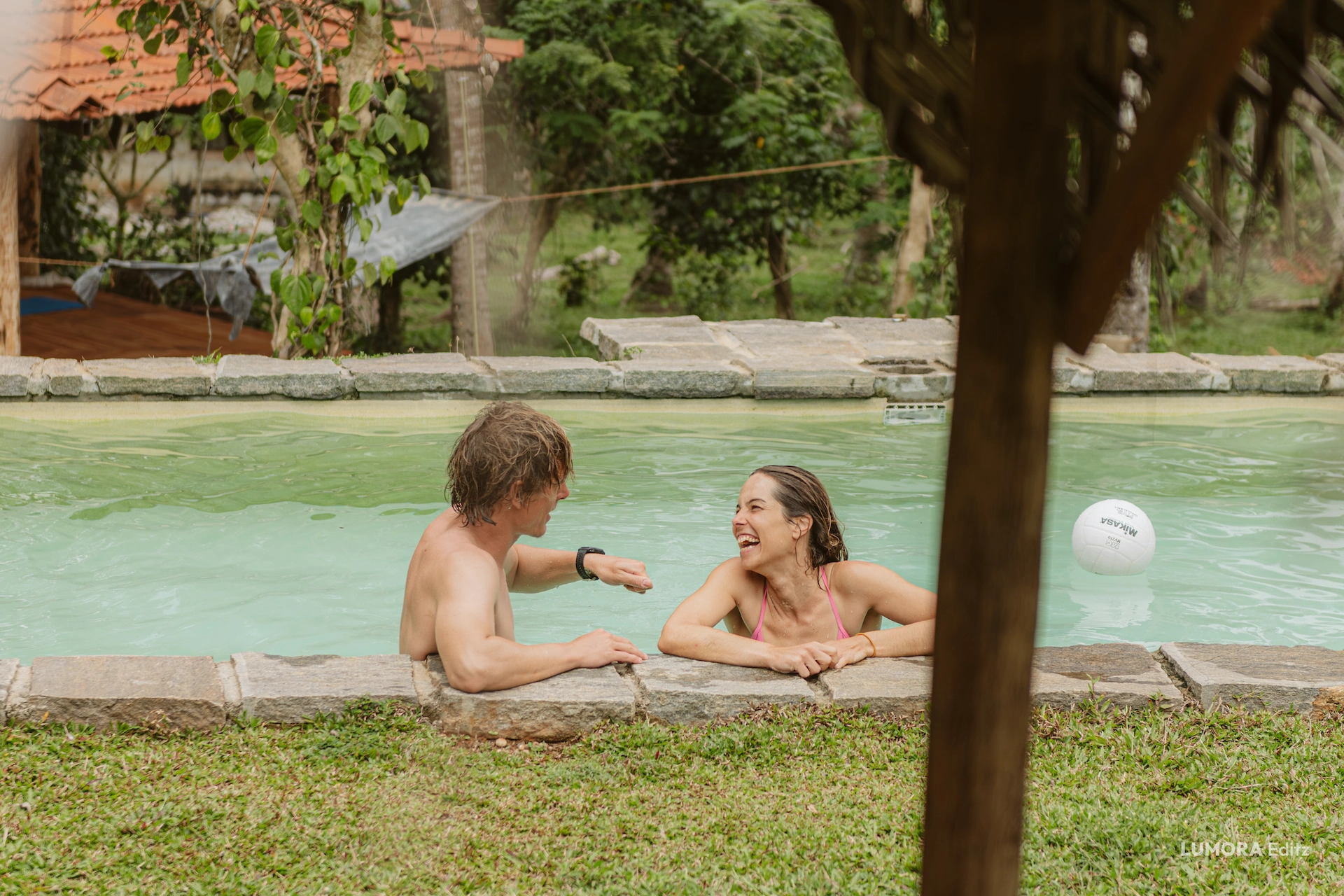
Many first-time retreat schedules are too full. The organiser wants the trip to feel valuable, so every hour receives a class, talk, treatment or excursion. Guests then spend the retreat rushing from one meaningful activity to the next without enough space to absorb any of them. A stronger programme has variation. It moves between focus and freedom, energy and stillness, community and solitude.
Start with a few anchors: morning practice, meals, the main facilitated session and a clear evening close. Build the remaining day around those points. Consider the emotional and physical intensity of each session. A demanding workshop may need quiet time afterwards. A coastal excursion can provide welcome lightness after a reflective day. Sound healing, massage or Watsu may work best when guests are not immediately expected to become social again.
Leave visible gaps in the published programme. Guests value knowing that they will have time to swim, write, sleep, walk or talk without falling behind. Free time also gives the facilitator room to respond to what is actually happening in the group. The best schedule is a framework strong enough to hold the experience and flexible enough to remain human.
- Use two or three dependable anchors each day
- Alternate active sessions with restorative space
- Avoid placing every optional experience into one programme
- Protect time for meals, transitions and unstructured connection
- Keep one part of the schedule adaptable
Plan the guest journey before arrival
The retreat begins before the first session. Clear communication reduces uncertainty and lets guests arrive ready to participate. Create one practical information pack covering travel, airport transfer, check-in, room arrangements, climate, clothing, payment dates, dietary needs and what to bring. Explain the character of the retreat as clearly as the logistics. Guests should understand the level of activity, the amount of free time and whether any experience requires previous knowledge.
For an international retreat, collect arrival details early and decide whether transfers will be shared or individual. The journey from the airport to Ahangama is approximately one hour and forty-five minutes, depending on conditions. A coordinated private transfer gives the group a calmer first contact with Sri Lanka and avoids multiple guests trying to arrange transport after a long flight.
Use a simple health and accessibility questionnaire to identify food requirements, mobility considerations and anything the facilitator or venue should know in advance. Keep the questions relevant and handle responses respectfully. The goal is not to make the experience clinical; it is to avoid preventable surprises and prepare the team to welcome each person properly.
Build a reliable local support system
Running a retreat abroad can place the facilitator in too many roles at once: teacher, host, transport coordinator, supplier manager and emergency contact. Local support protects the facilitator’s attention. Instead of building a programme from disconnected vendors, work with a venue that can coordinate trusted practitioners, drivers, food, equipment and excursions around one plan.
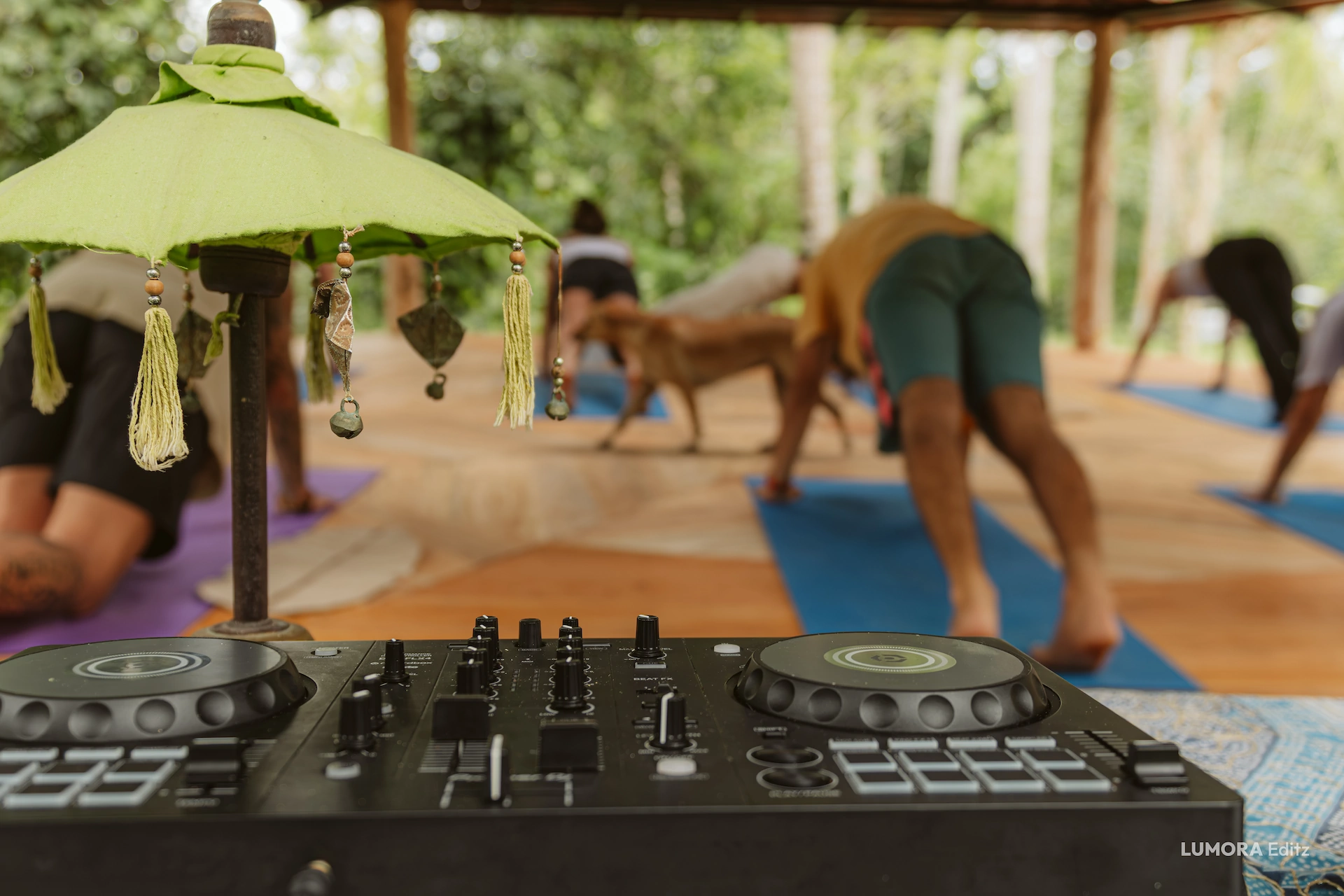
At Zenki House, retreat production can include yoga and meditation teachers, massage and Watsu practitioners, sound healers, musicians, surf instructors, guides, private transport and themed meals. The point is not to add everything. It is to have dependable options when a particular experience strengthens the retreat. Confirm availability, price, duration, equipment and cancellation terms before promoting an activity to guests.
Agree on responsibilities in writing. The facilitator should know who communicates with each practitioner, who handles last-minute changes, what is included in the venue proposal and what remains their responsibility. A short production plan can prevent dozens of messages during the retreat itself.
Design the ending as carefully as the beginning
A powerful retreat needs a gentle landing. Avoid placing the most emotionally demanding work immediately before departure. Give the final day enough space for reflection, practical packing and a clear closing circle. Help guests identify what they want to carry into daily life, not only what they experienced while away from it.
After the retreat, send a concise follow-up with shared resources, photographs if appropriate, and one or two integration prompts. You may also create an optional group call several weeks later. This keeps the experience connected without making guests dependent on the retreat atmosphere. It also gives the facilitator useful feedback about what continued to matter once everyone returned home.
The most memorable retreats feel coherent from invitation to follow-up. Their impact comes from alignment: the right people, a clear intention, an environment that supports the work, a schedule with room to breathe and a team that handles practical details with care. Sri Lanka provides an extraordinary setting. Thoughtful planning turns that setting into an experience with genuine depth.