Stage one: define the retreat clearly
Good retreat planning starts with definition. Write down the retreat’s purpose, ideal participant and central promise before choosing dates or building a sales page. The promise should describe the experience honestly rather than guarantee a personal outcome. Explain what guests will do, how the days will feel and what kind of person is likely to benefit.
Decide whether the retreat is public, invitation-only or designed for an existing community. Estimate the comfortable group size and identify any experience level, health, mobility or age considerations that affect suitability. Choose a lead facilitator and define the role of any assistants. If two people are co-leading, agree early on who owns programme decisions, guest communication and commercial administration.
Create a one-page concept note. This becomes the shared reference for the venue, practitioners, photographer, marketing support and anyone else involved. It should include the retreat name, intention, audience, likely dates, destination, duration, daily character and essential experiences.
- Define the purpose and intended guest experience
- Describe the ideal participant
- Set an ideal and minimum group size
- Choose public, private or community-only access
- Assign decision-making and communication roles
- Prepare a one-page retreat concept
Stage two: build the financial foundation
A retreat budget should be built from the minimum viable group, not the hoped-for maximum. List all fixed costs, including venue minimums, facilitator travel, insurance, marketing, photography and production. Then add variable costs for accommodation, meals, transfers, practitioners, excursions, materials, payment processing and welcome items. Include a contingency rather than assuming every estimate will remain unchanged.
Decide what the guest price includes and what remains optional. A simple inclusive price is easier to communicate, while optional treatments or excursions can protect accessibility for guests who do not want every addition. Set deposit amounts, instalment dates, cancellation terms and the final booking deadline. Make sure the venue’s payment schedule and your guest payment schedule work together.
At Zenki House, the launch rate for groups of eight or more is €50 per person per night, including accommodation, breakfast and one main meal. Smaller groups and special programmes receive a tailored proposal. Your final retreat price should also account for teaching, planning time, practitioner costs, transport, additional meals and a sustainable margin for the facilitator.
Stage three: confirm the venue and operations
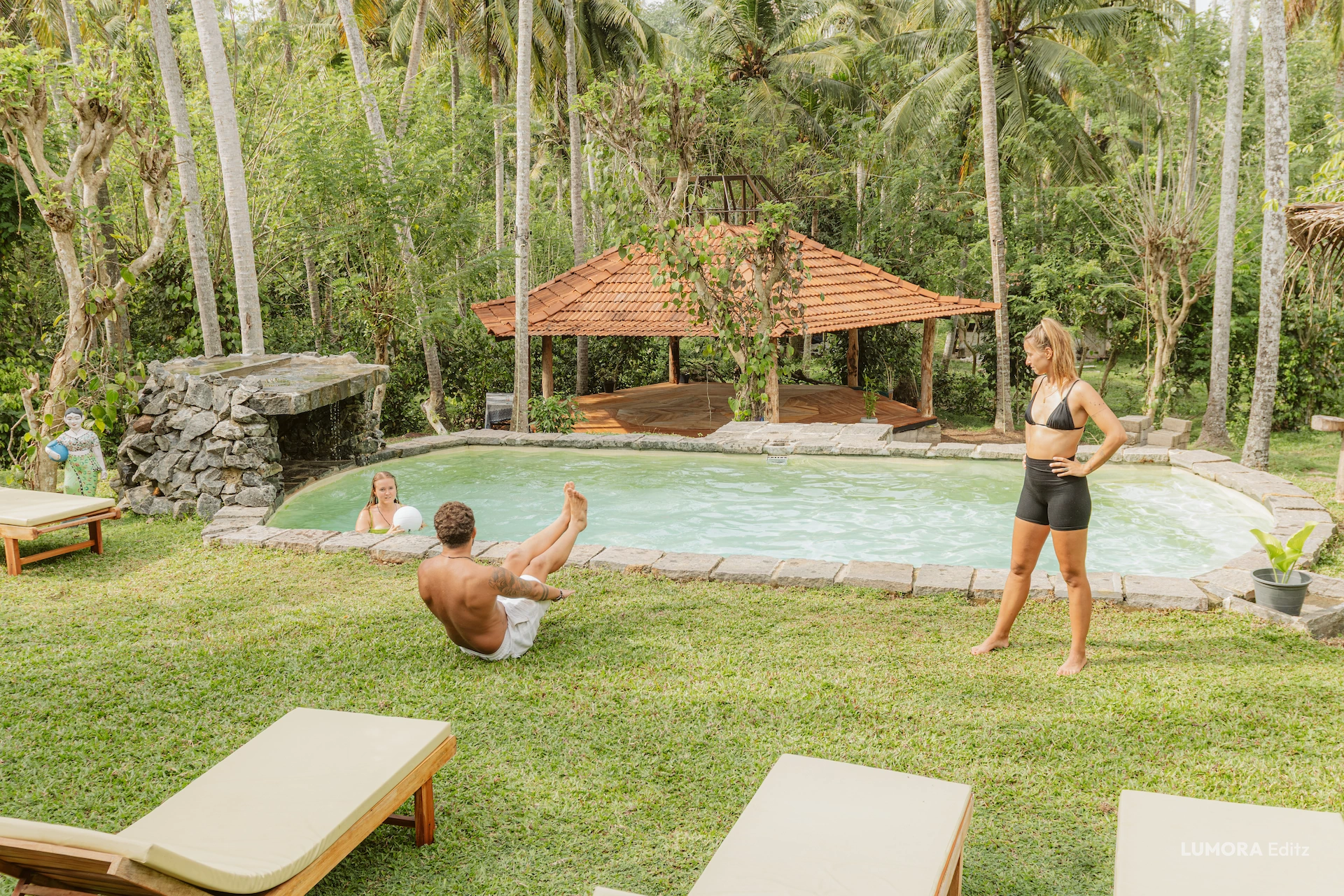
Before paying a deposit, verify the room plan, ideal and maximum capacity, bathrooms, facilitator accommodation, practice space, equipment, dining arrangement, pool or garden access, Wi-Fi and exclusive-use conditions. Ask how weather affects the programme and whether any construction, events or shared guests could interrupt the retreat.
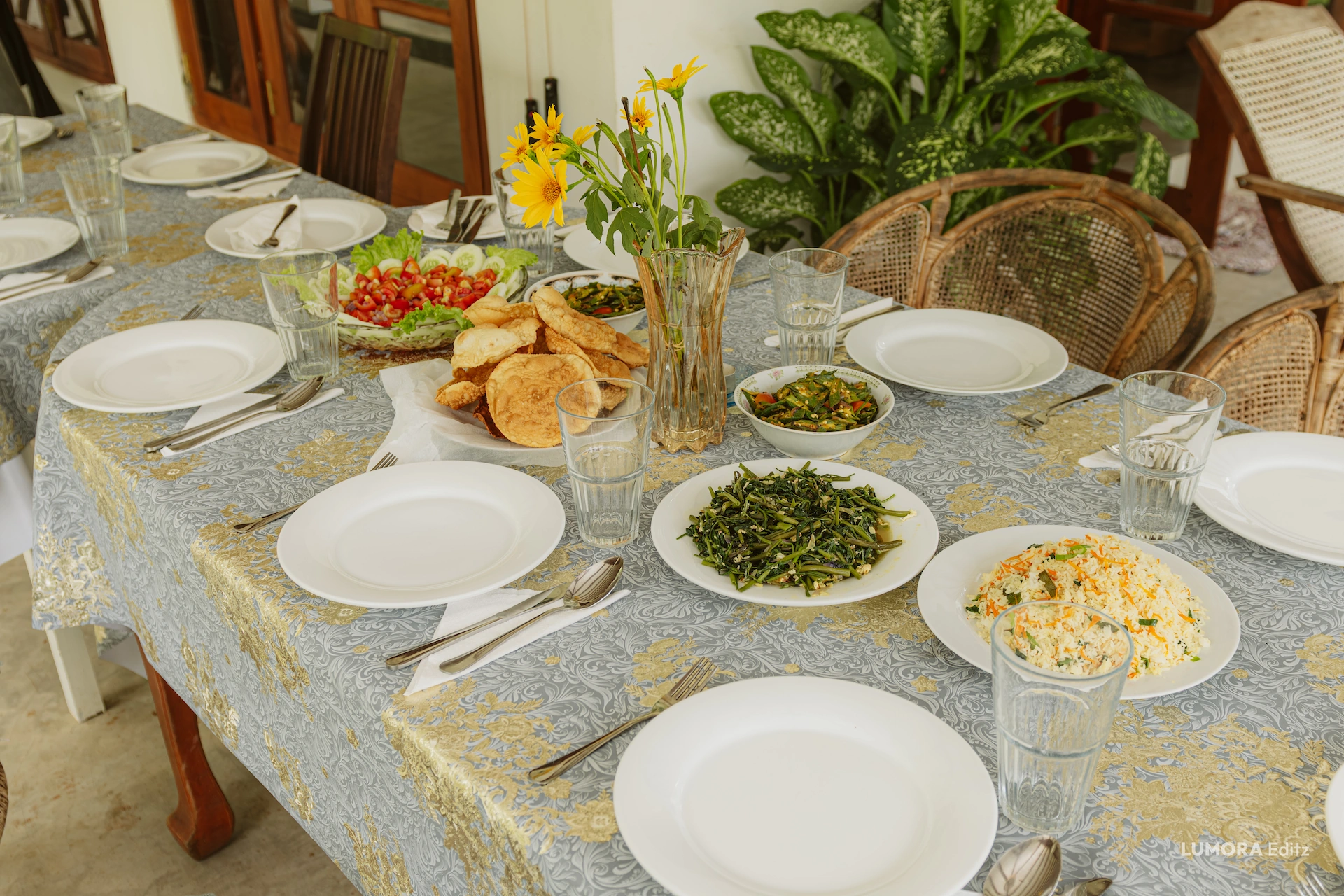
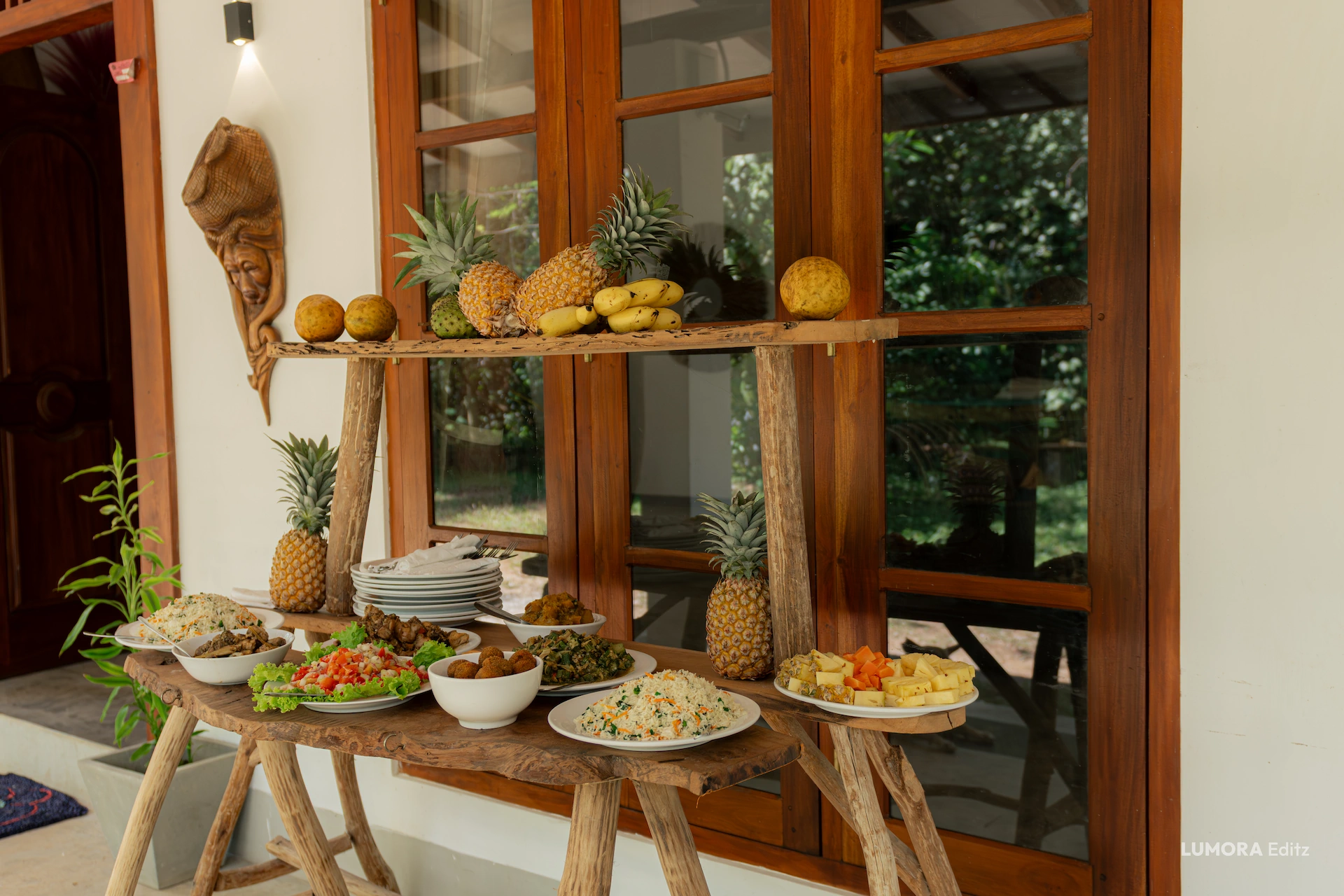
Confirm what the venue team will coordinate. This may include menus, dietary requirements, airport transfers, local transport, practitioners, equipment setup, housekeeping, towels, linen and excursions. Record what is included, what is quoted separately and what the facilitator must arrange. One clear responsibility list prevents duplicated work and missed details.
Request the exact address, arrival instructions, emergency contact and local healthcare information. If your group is international, decide how flight details will be collected and who tracks delayed arrivals. Schedule a final operations call with the venue several weeks before the retreat and a shorter reconfirmation in the final week.
- Sign the venue agreement and record payment dates
- Approve the room allocation and facilitator space
- Confirm exclusive-use areas and quiet expectations
- Review equipment and specialist requirements
- Agree meal service and dietary-information deadlines
- Assign transfers, local transport and arrival tracking
Stage four: design the programme
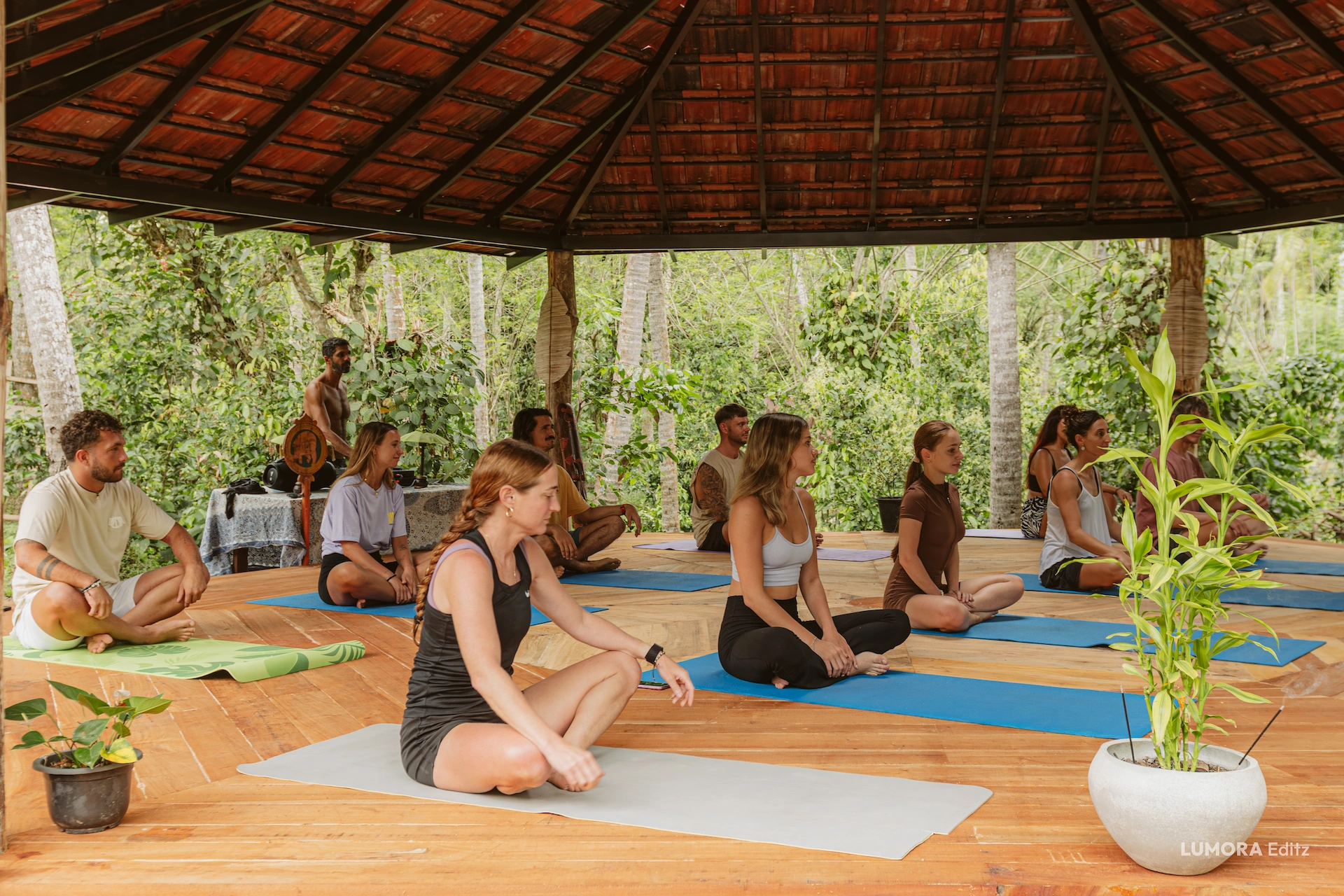
Build the programme around a small number of daily anchors. For many retreats, these are morning practice, breakfast, the principal facilitated session, the main meal and an evening close. Add optional experiences only after this foundation feels balanced. Track the intensity of each session and avoid stacking demanding activities without recovery time.
Plan the first and final days separately. Arrival day should allow for travel delays, room settling and a welcoming introduction without asking too much of tired guests. The final day needs a clear closing process, practical departure time and enough space for packing. Avoid introducing a major new theme immediately before the group leaves.
Create a facilitator version of the schedule with setup times, practitioner contacts, equipment, locations and operational notes. The guest version can remain simple. Build at least one flexible block into the programme so the team can respond to weather, group energy or a valuable conversation that needs more time.

Stage five: prepare and communicate with guests
Create a booking process that collects the information you genuinely need: name, contact details, room preference, dietary requirements, arrival plans and relevant accessibility or health considerations. Use secure, appropriate methods for personal information and limit access to the people responsible for guest care.
Send a confirmation immediately after booking, followed by a detailed preparation guide four to six weeks before arrival. Include travel recommendations, passport and visa reminders, climate, clothing, currency, internet expectations, what to pack, transfer arrangements, the broad daily rhythm and a clear contact route. Reconfirm the final details several days before travel.
Set expectations around photographs, phones, privacy and community agreements. If the retreat includes photography, obtain clear consent and provide a way to opt out. Explain whether sessions are compulsory, optional or adaptable. Guests settle more quickly when boundaries are clear and they do not need to guess how the group will work.
- Send booking confirmation and payment schedule
- Collect room, food and access requirements
- Share a travel and packing guide
- Confirm airport transfers and arrival contacts
- Explain photography and privacy choices
- Provide the programme rhythm and participation expectations
Stage six: run the retreat and close the loop
Before guests arrive, walk through the property as if you are arriving for the first time. Check rooms, signage, water, equipment, meal times, welcome materials and the opening-session setup. Meet the venue team and review the next twenty-four hours rather than trying to discuss the entire week at once. A short daily operations check keeps everyone aligned without creating unnecessary meetings.
During the retreat, protect the facilitator’s role. One person should handle operational questions so the lead facilitator is not interrupted by transport updates or room requests. Keep notes on changes that would improve the next programme, but avoid redesigning the retreat in real time unless guest wellbeing or a genuine operational need requires it.
Close with gratitude, reflection and practical clarity. Remind guests of departure arrangements, share any follow-up resources and explain how the community will stay connected, if at all. After everyone leaves, reconcile costs, thank partners, gather feedback and hold a team review. Record what worked, what created friction and what should change before announcing another date.
A checklist cannot create the human heart of a retreat, but it can protect it. When logistics are organised, communication is clear and responsibilities are shared, the facilitator has more attention available for the group. That is the real purpose of planning: not control, but the freedom to be present when the retreat begins.