Start with your group, not the property
The right retreat venue is not simply the most beautiful place within budget. It is the place that allows your particular group and programme to function naturally. Before comparing properties, define the practical shape of the retreat: expected guest numbers, room-sharing preferences, teaching format, meal plan, level of privacy, accessibility needs and the amount of off-site activity you expect.
A venue that is perfect for a silent meditation group may be inconvenient for an active surf and yoga programme. A large resort can offer extensive facilities but make a small group feel dispersed. A very remote villa may create privacy while adding complicated transfers and limiting access to practitioners. The best choice is the one where the setting, operations and atmosphere support your intention without requiring constant workarounds.
Create two lists before you search. The first should contain genuine non-negotiables, such as exclusive use, a covered practice space or a specific number of bathrooms. The second should contain preferences that would be valuable but are not essential. This distinction makes comparison clearer and prevents an attractive feature from distracting you from a serious operational gap.
Check capacity in real terms
Venue capacity can be misleading. A property may technically sleep fifteen people, yet the dining table, shala or shared spaces may only serve ten comfortably. Ask for both the ideal and maximum capacity. Then check how the room arrangement changes at the maximum: Are extra beds added? Do more guests need to share? Does the facilitator still have a private room?
Zenki House is ideally arranged for twelve guests and can welcome up to fifteen with additional beds. The accommodation includes two air-conditioned double rooms with private bathrooms, two double rooms with bathrooms and fans, and one air-conditioned shared room with four beds, plus a separate space for the facilitator. This scale keeps the atmosphere personal and makes it easier for the whole group to gather in one place.
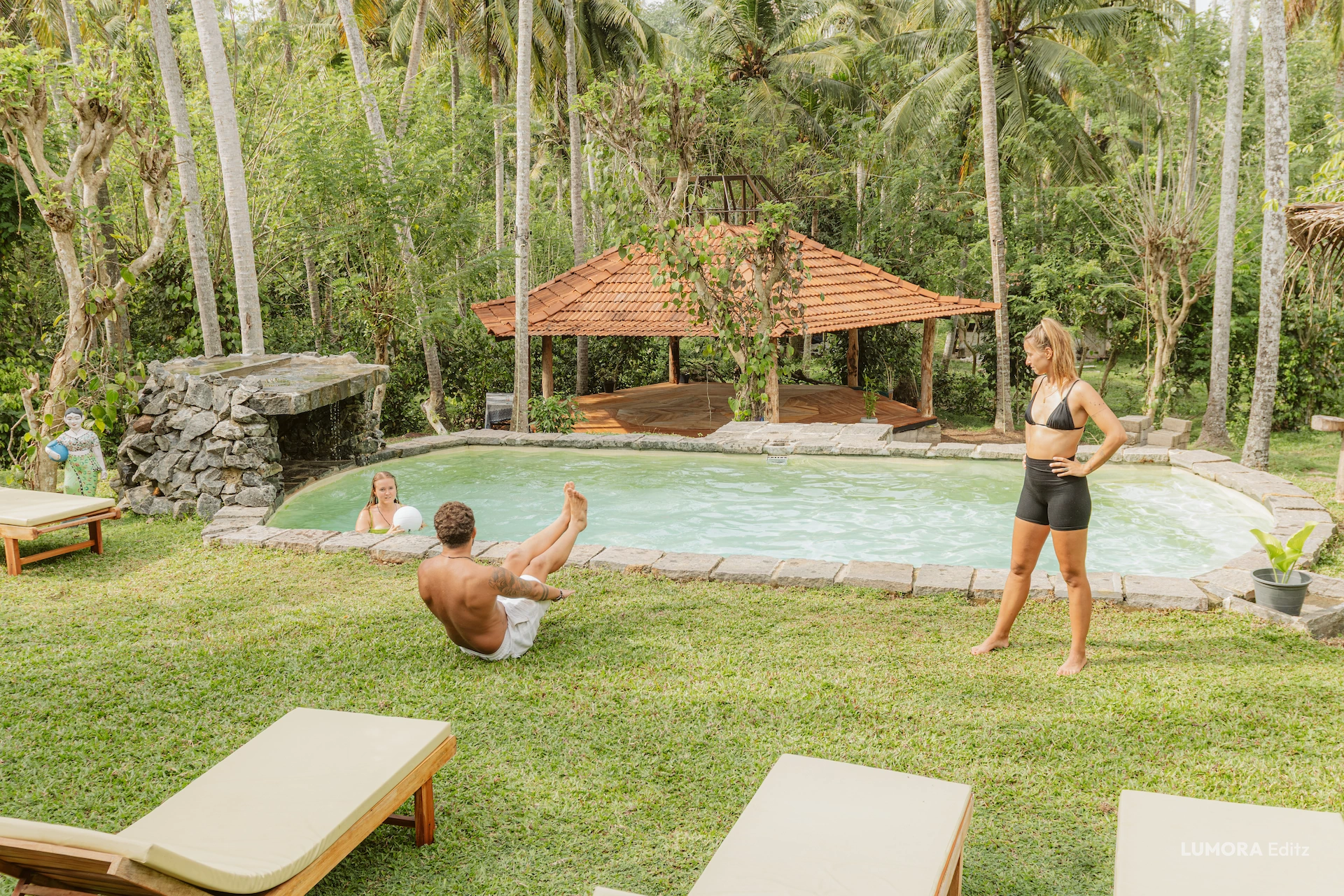
Think about social capacity as well as sleeping capacity. Guests need enough shared space to connect and enough quiet space to step away. Look for shaded outdoor areas, comfortable seating, a pool or garden, and places where someone can read or rest without leaving the property. The retreat will feel more spacious when guests have choices.
Examine the practice and programme spaces
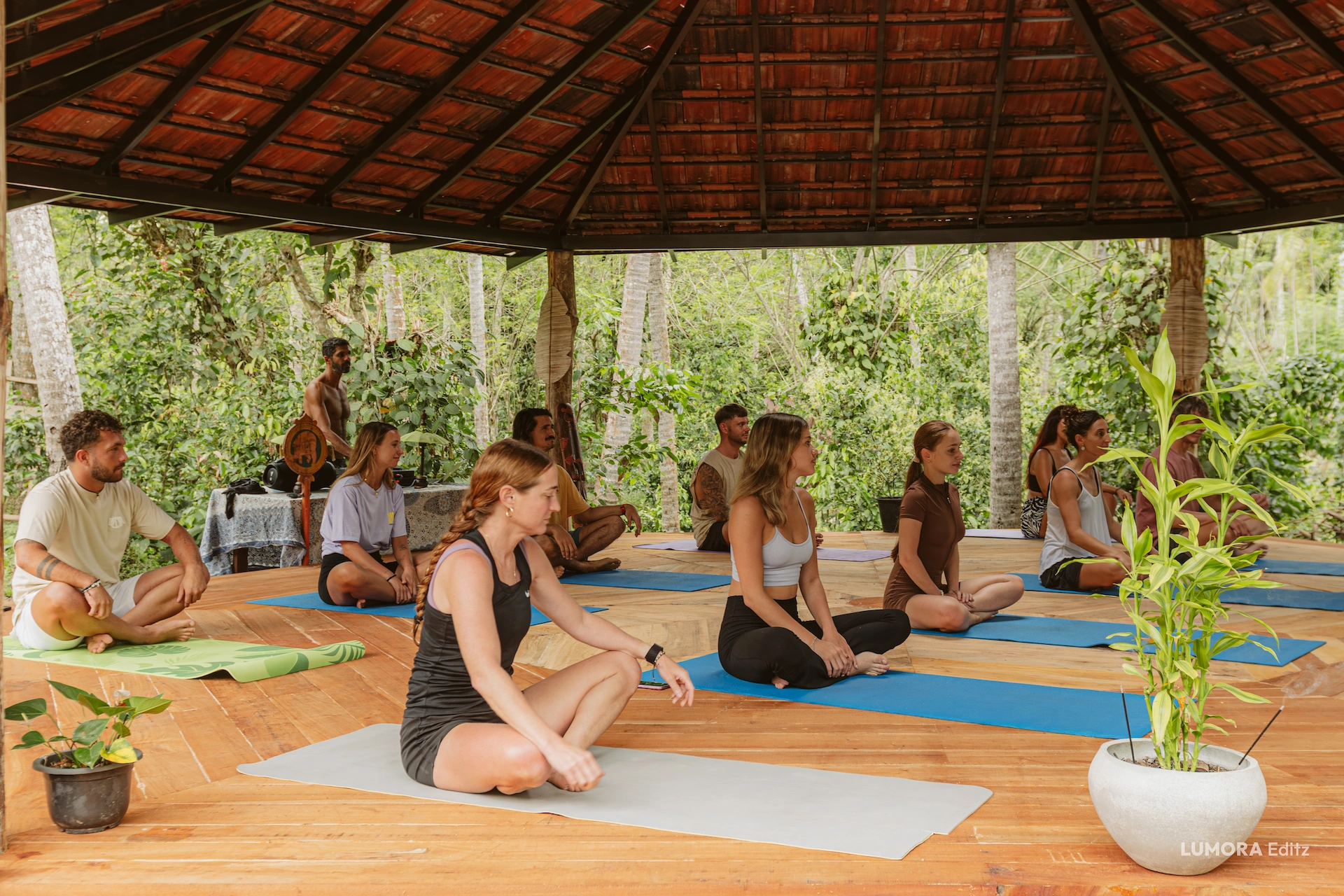
A dedicated practice space gives the retreat a centre. Ask for accurate dimensions, floor type, ventilation, sound conditions, lighting and the number of people who can practise comfortably. Confirm whether the space is private to your group, whether it remains available throughout the day and what happens during heavy rain or strong heat.
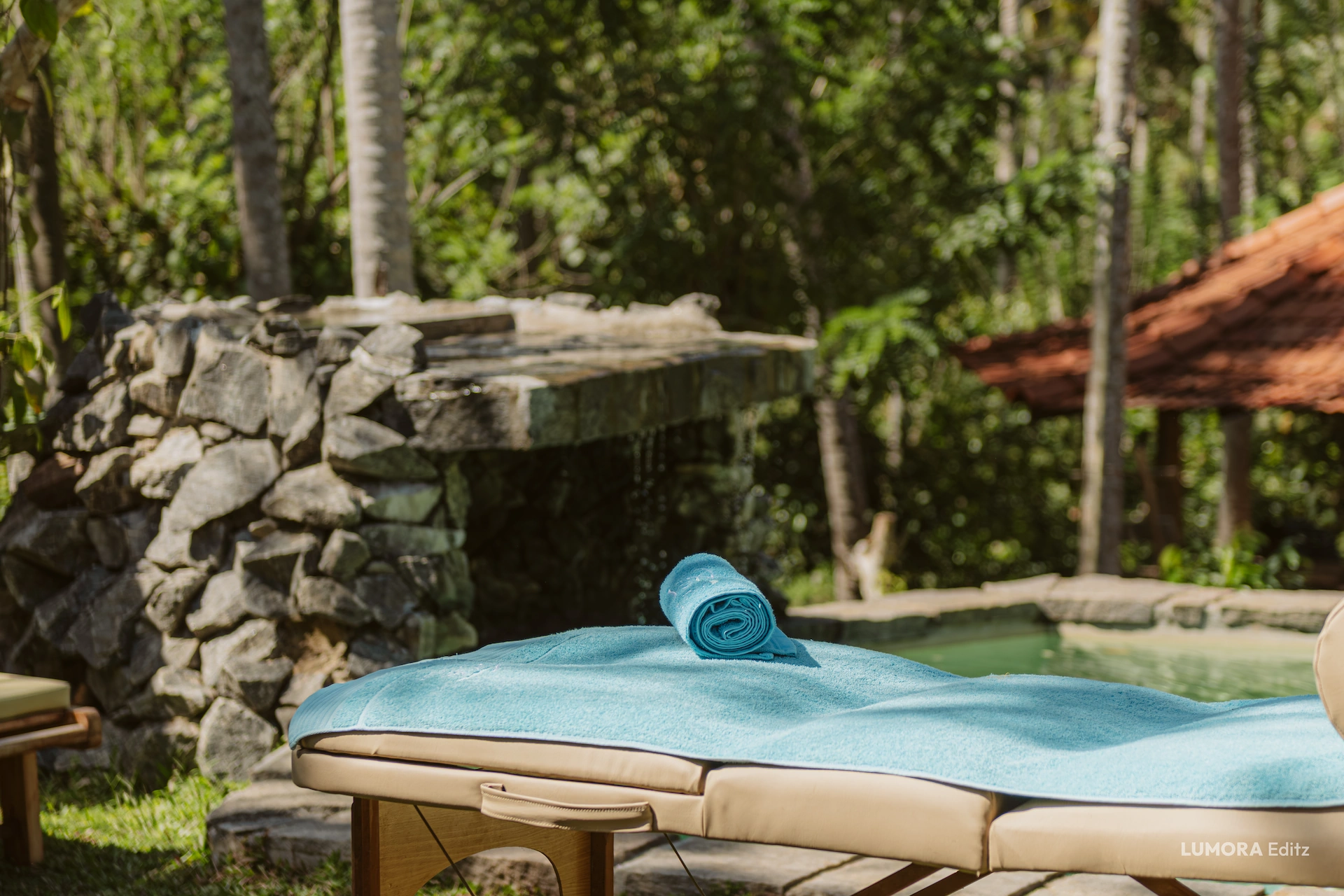
The equipment list matters too. Depending on your programme, you may need yoga mats, bolsters, blocks, chairs, a microphone, speakers, a massage table or sound instruments. Zenki House provides yoga mats, a sound system with microphone, a massage table, five gongs and seven-metal Tibetan bowls. Specialist items can be discussed before arrival so there is time to source a suitable option.
Consider the transitions around the main room. Is there a bathroom nearby? Can guests move from an intense session into a quiet garden or pool area? Is drinking water easy to access? Can equipment stay in place, or must the facilitator rebuild the room before every class? Small practical advantages preserve energy across a multi-day programme.
- Request dimensions and realistic practice capacity
- Confirm privacy and all-day access
- Review ventilation, weather protection and acoustics
- Ask for a complete equipment list
- Understand setup, storage and nearby facilities
Understand meals, service and daily operations
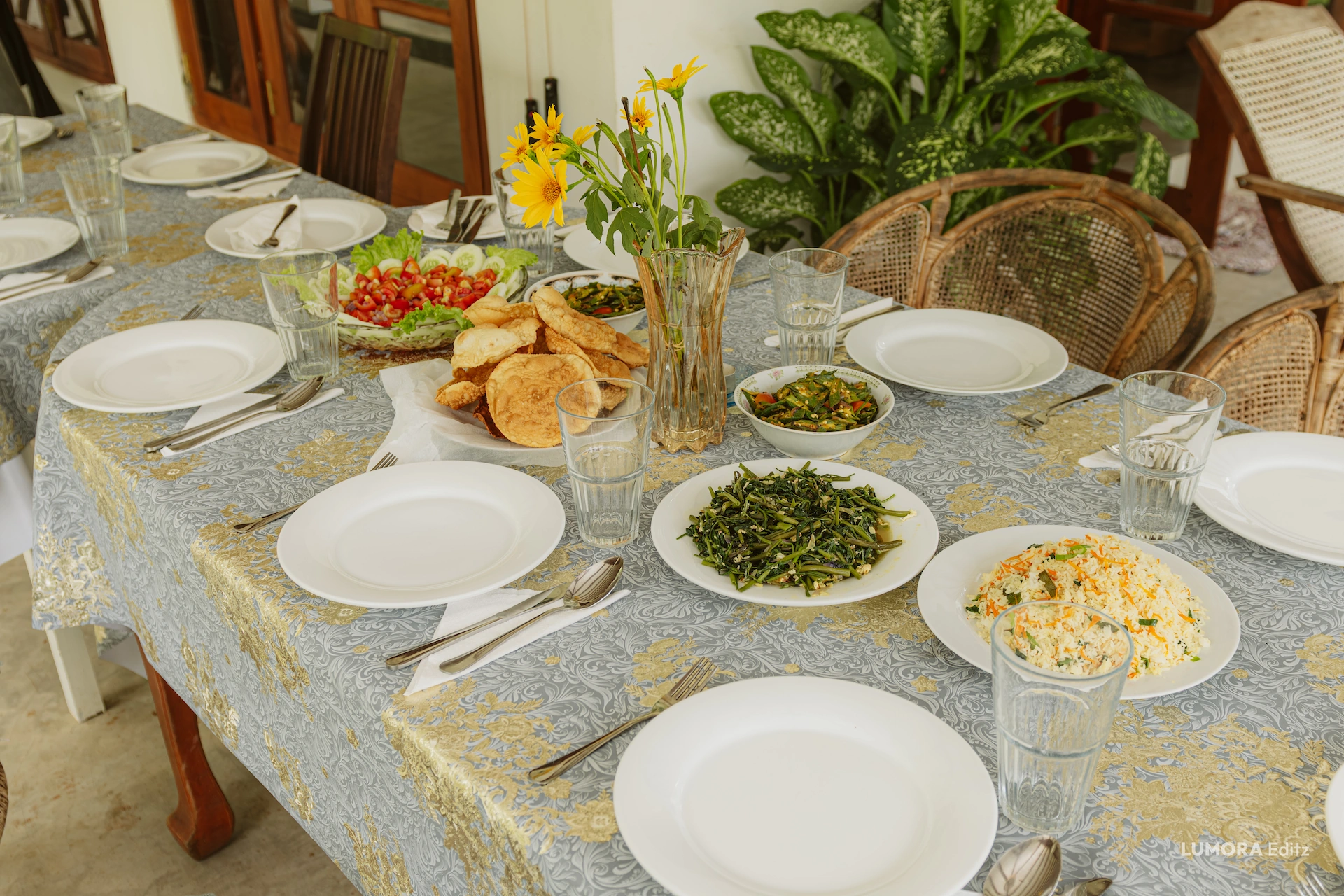
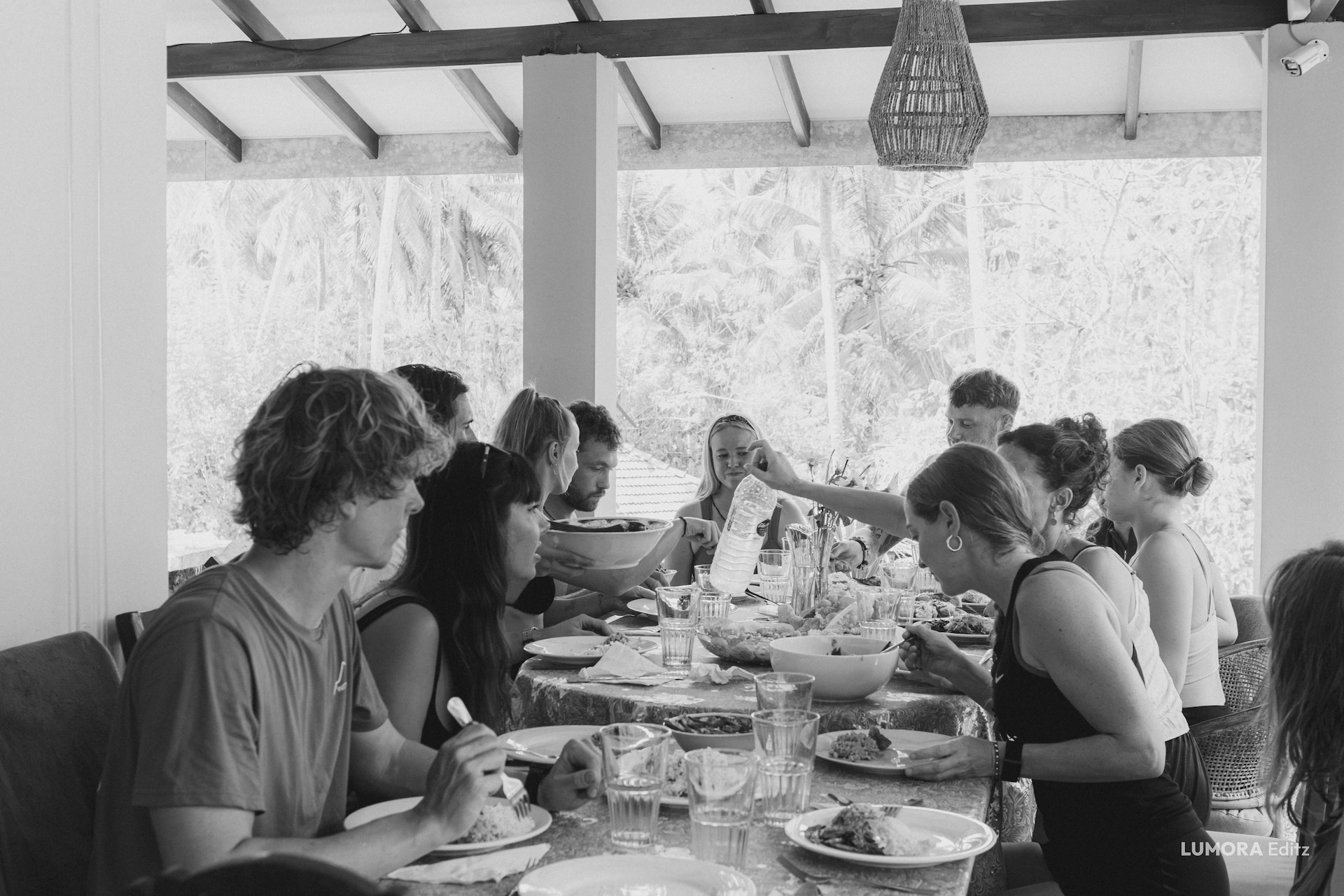
Food has an outsized influence on how a retreat feels. Ask what meals are included, how menus are planned, whether dietary requirements can be accommodated and where the group will eat. A shared table can become one of the most important community spaces in the programme, so dining should be considered part of the experience rather than a gap between sessions.
For launch-rate groups of at least eight, Zenki House includes breakfast and one main meal in the €50 per person, per night rate. Additional meals and themed dinners can be included in a personal proposal. The planning conversation should cover allergies, dietary patterns, preferred meal times, session intensity and whether guests need refreshments between activities.
Clarify housekeeping, linen, towels, drinking water, Wi-Fi and on-site contact arrangements. Ask who will be available during the stay and how the venue handles an urgent maintenance problem or a late change to the programme. A retreat leader should not spend the week tracking down basic services. Reliable operations allow the venue to disappear into the background, which is usually a sign that it is working well.
Balance seclusion with access
Retreats benefit from separation from everyday noise, but extreme isolation can create logistical pressure. Consider the travel time from the airport, road access, medical facilities, local transport and the distance to any beaches, towns or excursions included in your programme. If guests arrive from different countries, a complicated final journey can affect the first day more than expected.
Zenki House sits in a green inland setting near Ahangama on Sri Lanka’s south coast. The house feels immersed in tropical nature, where monkeys and peacocks are part of the surroundings, while beaches, surf and the energy of Ahangama remain close. Private airport transfers can be arranged, with the journey taking approximately one hour and forty-five minutes depending on traffic and conditions.
Choose a location that gives the retreat a strong home base. Excursions should be available, not compulsory. When the property itself supports practice, rest, meals and connection, the facilitator can decide whether leaving the house will add something useful rather than using trips to compensate for a venue that feels limited.
Choose the team as carefully as the house
A venue relationship is a working partnership. Pay attention to the quality of communication from the first enquiry. Does the team ask about your intention or only send a price sheet? Are answers specific? Do they understand group dynamics, session timing and the pressure a facilitator carries? Can they coordinate local practitioners and transport, or will you need to manage several suppliers yourself?
Request a proposal that separates core inclusions from optional services. Confirm payment dates, cancellation terms, minimum group requirements and responsibilities on both sides. If possible, arrange a video call and ask to walk through a typical retreat day. This reveals whether the team understands the experience as a whole.
The right venue should make the programme clearer, not more complicated. It should give guests a sense of place, give the facilitator confidence and give the whole group enough comfort to focus on why they came. Once you have found that combination of atmosphere, function and support, the venue becomes more than accommodation. It becomes one of the foundations of the retreat.